The kopitiam near Kovan MRT opens before the sun has finished arguing with the clouds. I know this because Uncle Lim, who runs the drinks stall, treats dawn like an appointment he cannot miss. By the time I arrive — library day, tote bag heavy with returns — he has already wiped down three tables, set out the condensed milk tins in a row, and begun what I can only describe as cup arithmetic.

I order teh halia the way I always do: less sweet, extra ginger, in the chipped mug with the hairline crack near the handle. Uncle Lim nods without looking up from the stack of cups he is counting with his thumb. One, two, three — not aloud, but with the rhythm of someone who has done this for thirty years and trusts numbers more than clocks.
"You don't count cups because you're afraid of running out. You count because the day needs a beginning you can hold."
When I first started coming here, I thought the counting was inventory. Then I noticed he does it even when the rack is full. Even when only four customers sit scattered across the room like punctuation marks. The count is ritual, not stocktake. It tells the morning: we are open; we are ready; the first pour belongs to whoever walks through the door with sleep still in their eyes.
Uncle Lim remembers my grandmother. I didn't mention her for months — I simply ordered, read my book, left. One rainy Tuesday he said, "Your ah ma liked the kaya toast here. Always asked for extra butter, pretended she didn't." I nearly dropped my spoon. She had been gone two years by then. He hadn't seen her in longer than that. Yet the detail sat in his memory like a bookmark.
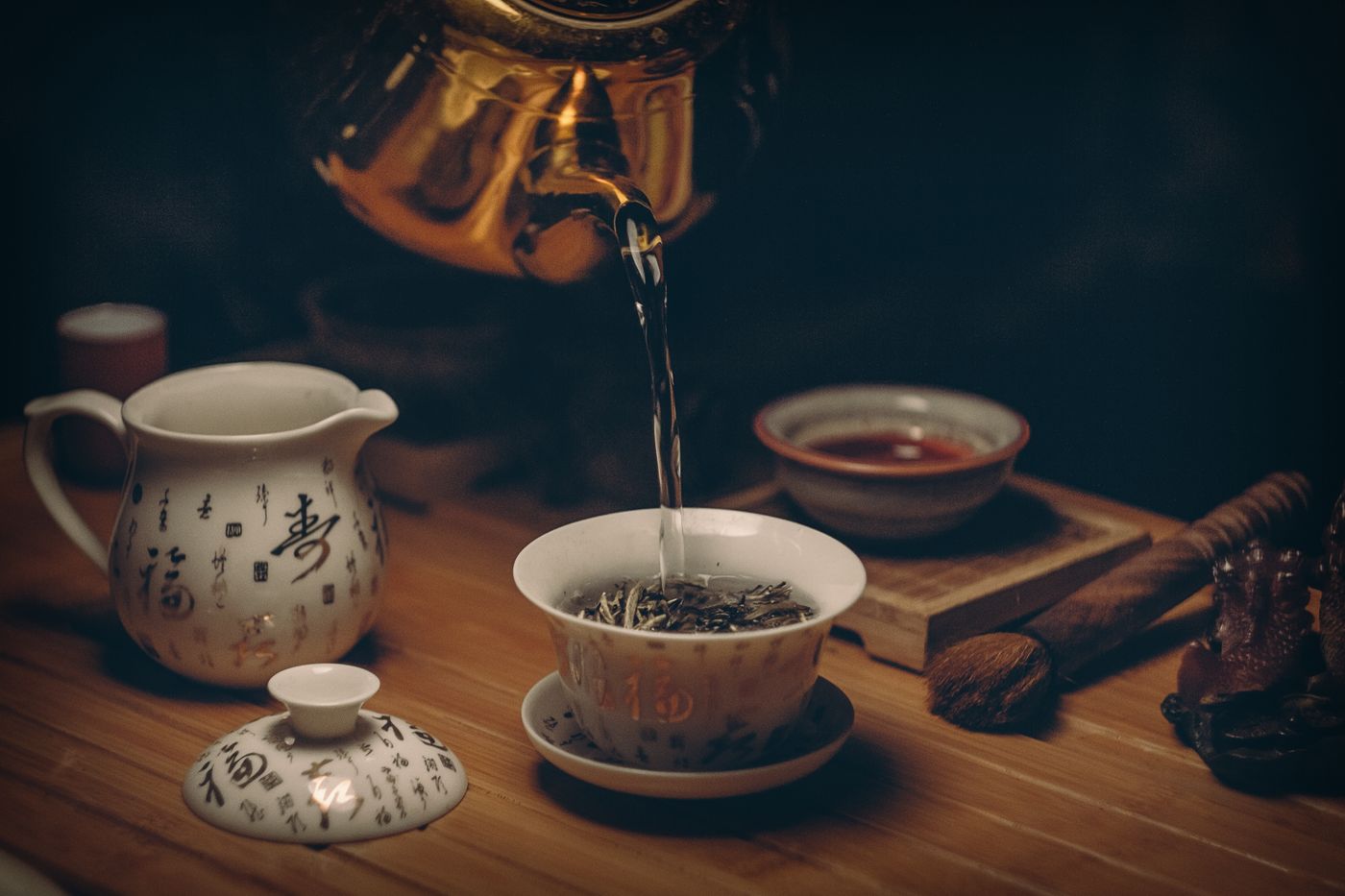
We don't chat much. That's the kopitiam way when respect looks like space. But today he slid my cup across the counter and said, "You look like someone carrying a chapter she hasn't finished." I laughed because it was accurate. I'd been shelving a novel about sisters and loss all morning, and the ending sat wrong in my chest — too tidy for grief, too neat for real life.
"Real endings aren't tidy," Uncle Lim said, as if he'd read the cover. "They just stop when the cup is empty." Then he went back to counting. Fourteen, fifteen, sixteen. The steam from my tea drew a small cloud between us.
I thought about that on the walk to the library. We want stories — in books and in neighbourhoods — to resolve. The kopitiam doesn't resolve. It opens, serves, closes, opens again. The cups get counted. The ginger gets sliced. Someone's grandmother is remembered without ceremony.
At lunchtime the place fills with office workers and aunties comparing market prices. The arithmetic stops because the hands are busy. But in that early hour, when the fans turn lazily and the radio plays old Cantonese songs softly, Uncle Lim counts cups the way other people pray — not for a result, but for the shape of the day.
I finished my tea, left extra coins on the saucer, and told him I'd be back Thursday. He said, "Thursday is good. Less rain in the forecast." He reads the weather the way he reads people: carefully, without making a show of it.
Walking home past the florist and the clinic and the MRT stairs humming with commuters, I felt the small push of the morning settle into place. Not inspiration — I'm suspicious of that word. More like alignment. The kind you get when someone names something true before you've said it aloud.
That's why I write these entries. Not to capture Uncle Lim — he doesn't need capturing — but to keep the sentence he gave me: Real endings aren't tidy. They just stop when the cup is empty. I'll probably misquote it in ten years. The feeling will remain.